
Blog
How Parents Can Help Children Develop Self-Discipline Without Stress

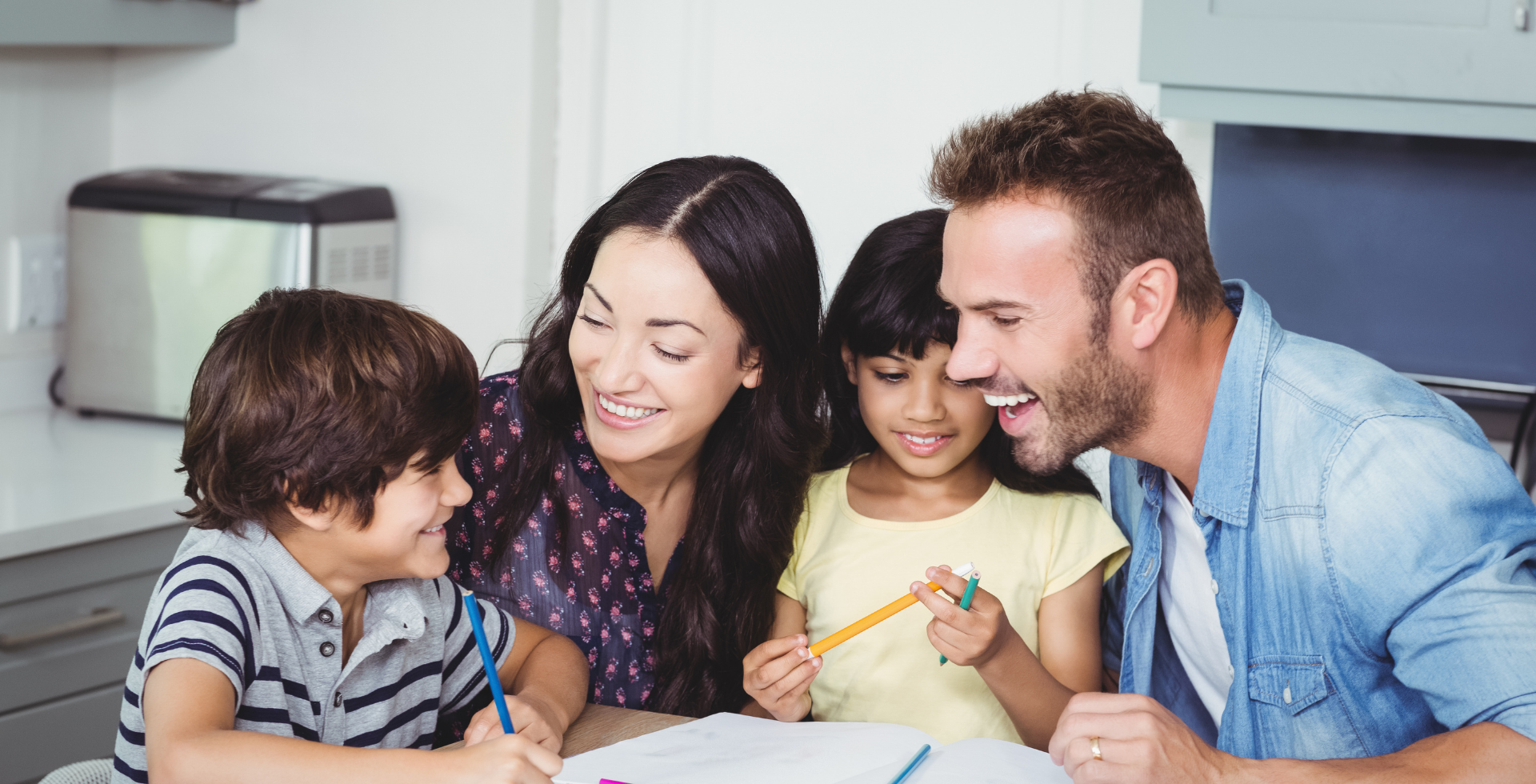
Raising a self-disciplined child is one of the most valuable gifts a parent can give. It’s not about strict rules or constant supervision — it’s about helping children develop the internal motivation to make good decisions, manage time well, and stay focused on their goals.
In today’s digital world, where distractions are everywhere, children often struggle with consistency, routines, and responsibility. But with the right parenting approach, self-discipline can be taught — and nurtured — at any age.
Understand the Root of Discipline
Discipline is not about punishment. It’s about teaching. Many parents confuse discipline with control, but true discipline is about guiding a child to develop the ability to manage themselves — even when no one is watching.
Self-discipline begins with emotional awareness, clear expectations, and positive reinforcement.
Set Clear, Consistent Boundaries
Children thrive when they know what is expected of them. Instead of changing rules every day, create consistent routines — for studying, meals, screen time, and sleep. The more predictable the environment, the easier it is for children to form habits.
For example, if screen time is allowed only after homework is done, stick to that rule every day — no exceptions.
Model the Behavior You Want to See
Children learn more from what you do than what you say. If you want your child to be disciplined, show them what that looks like. Keep your own promises. Follow routines. Avoid shouting or reacting impulsively.
When you model calm, organized behavior, your child is more likely to mirror it.
Use Encouragement Over Punishment
Discipline works best when it is based on encouragement, not fear. Acknowledge your child’s efforts — even small ones. For example:
- “I noticed you finished your homework on time today — great job staying focused!”
- “You controlled your anger really well — I’m proud of you.”
Positive reinforcement builds confidence and encourages children to repeat good behavior.
Teach Problem-Solving, Not Just Obedience
Instead of saying “Do what I say,” teach your child why certain behaviors are important. Ask guiding questions like:
- “What can we do differently next time?”
- “How do you think your choice affected your day?”
This helps children take ownership of their actions and understand the value of discipline.
Limit Distractions and Set Priorities
Help your child learn to prioritize. Limit screen time during study hours, remove unnecessary gadgets, and break tasks into smaller goals. Teach them to use planners or to-do lists. These small tools promote independence and structure.
Be Patient — It’s a Process
Developing self-discipline takes time. Children will make mistakes — and that’s okay. What matters is how consistently you respond. Avoid yelling or giving up. Stay calm, offer guidance, and remember: every small effort adds up.
At SageNext, we work with parents through personalized counseling and workshops to build healthy routines, reduce screen addiction, and support emotional development in children.
Conclusion: Discipline That Comes from Within
Helping your child develop self-discipline is not about controlling them — it’s about empowering them. When children understand the why behind discipline and feel supported, they become more responsible, independent, and confident.
Parenting isn’t about perfection. It’s about progress — one small step at a time.